Boa imperator
Key traits and size details for Boa Constrictor.
Length
Weight
Lifespan
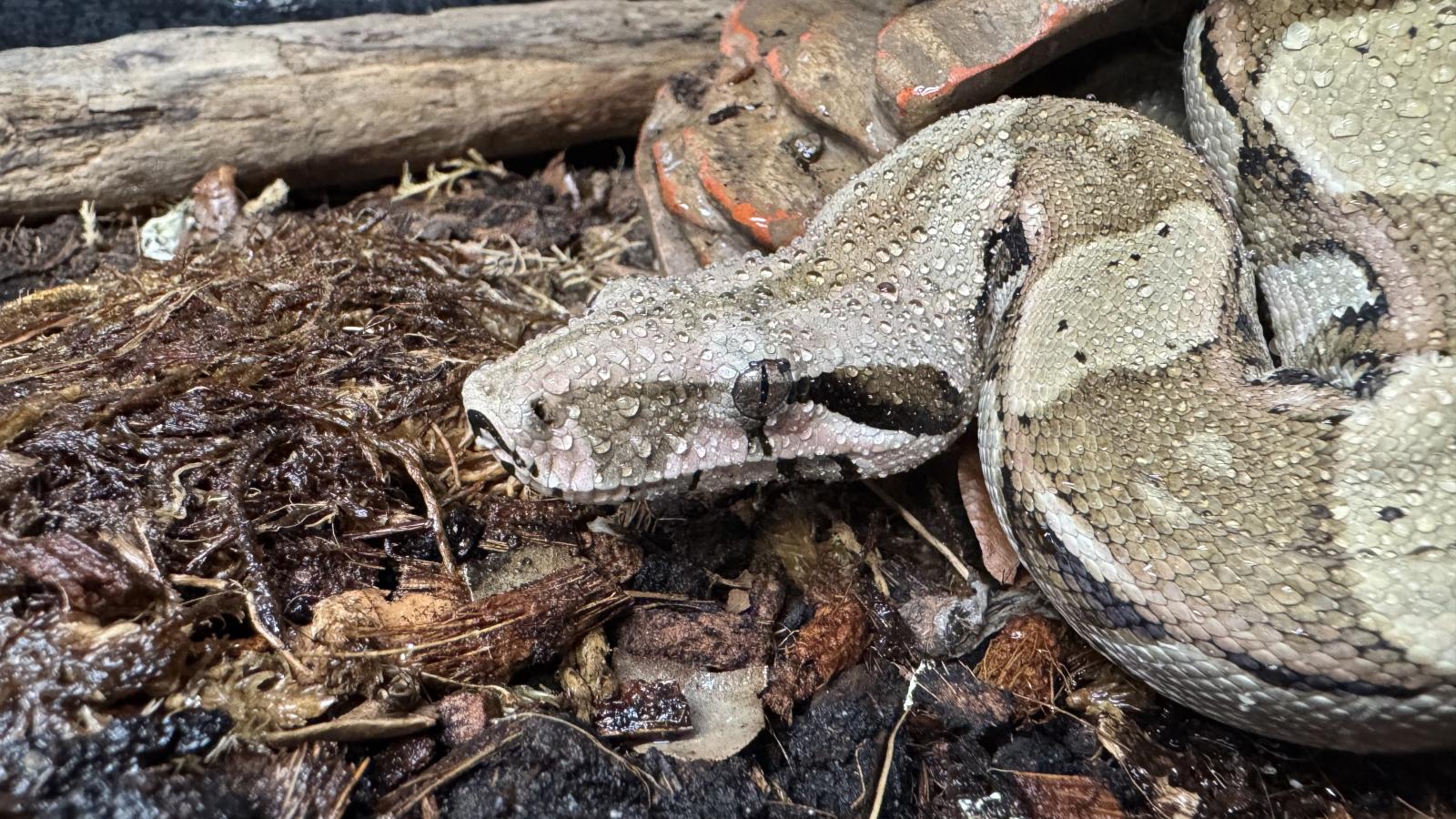
The Central American boa formerly classified as Boa constrictor imperator; a large New World constrictor found across Mexico and Central America, with records in northwestern South America.
Native and introduced range details for Boa Constrictor.
Explore the highlighted native and introduced range for this species. Hover or tap a country to inspect it on the map.
Native from Mexico through Central America to Colombia and Ecuador; also recorded on several islands in the region.
24-35 C
Temperature range
55-85%
Humidity range
Reference size-over-age data for Boa Constrictor.
Species reference size over age, built from curated catalog points rather than an individual reptile record.
Add at least two length or weight points to plot a species reference curve.
Housing, feeding, and handling guidance collected in one place.
For an adult Boa imperator, Ontario Reptile Rescue recommends at least an 8 × 4 × 4 ft enclosure with both floor area and climbing opportunities. Match enclosure size and security to the individual.
Keep fresh water available at all times.
For Boa imperator, the rescue guide gives warm end 30–32°C, basking surface 32–35°C and cool end 24–26°C. Measure surface and air temperatures separately and regulate heat sources with a thermostat.
For Boa imperator, maintain average humidity around 55–75%, rising to 75–85% during shedding. Keep ventilation and measure rather than relying on a fixed misting schedule.
Appropriately sized thawed prey every 14-28 days
Feed appropriately sized frozen and thawed whole prey. Ontario Reptile Rescue suggests adults every 4–8 weeks, adjusted to body condition; its reported diet includes rodents and birds.
Support the snake’s full body with both hands and avoid allowing a large adult to wrap around the handler’s neck. Use a second handler when one person cannot safely support it.
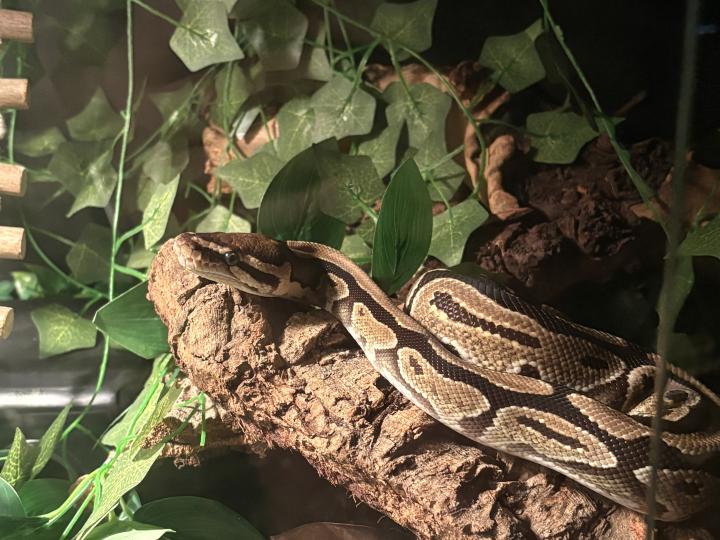
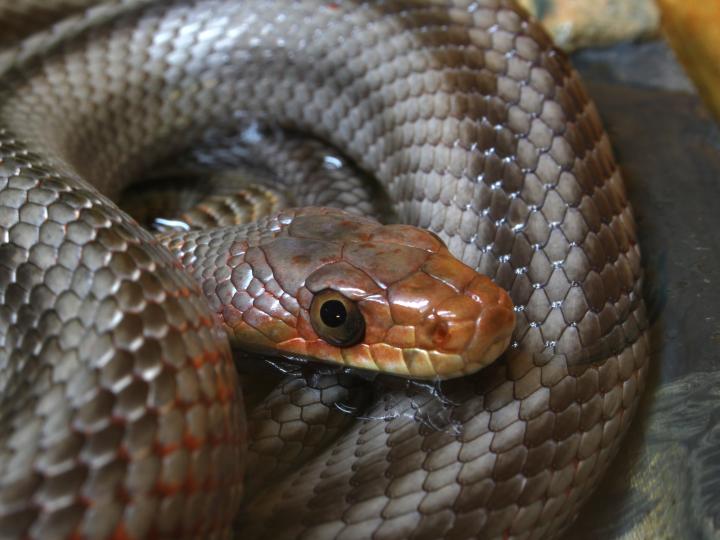
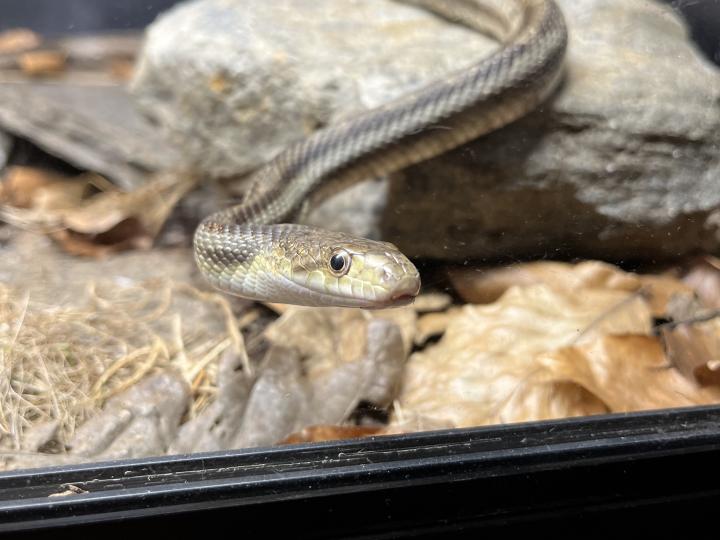
Approved catalog and community photos for Boa Constrictor.
Catalog image
Browse approved catalog images and community-submitted reptile photos for Boa Constrictor. Community images retain contributor attribution in both the gallery and expanded view.
Create a free account to save these preferences across devices.
Units
Appearance